

The Cardiology AI Explosion: Why 225 FDA Clearances Are Creating a Hospital Headache
As cardiovascular AI tools flood the market, health systems face a new challenge—managing portfolios instead of products.
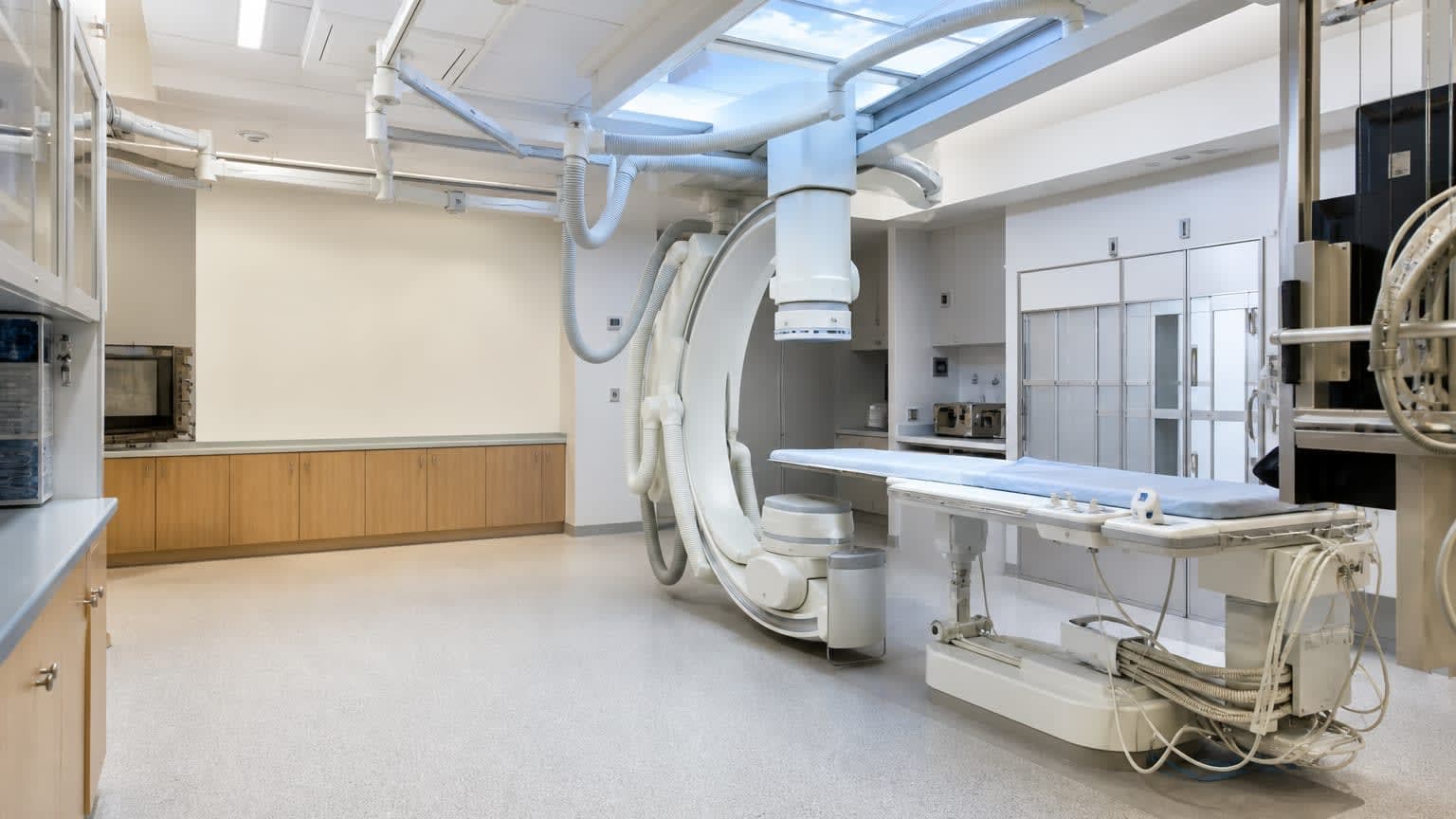
The FDA has cleared 225 artificial intelligence algorithms for cardiology and cardiovascular imaging, transforming what was once a straightforward procurement decision into a complex portfolio management challenge for hospitals. According to data released in June 2026, cardiology now ranks second only to radiology in AI clearances, forcing health systems to shift from asking "is it cleared?" to wrestling with integration workflows, alert management, and outcome measurement across multiple care settings.
The regulatory milestone reflects a market that has matured rapidly since early movers like AliveCor received ECG AI clearances in November 2020. By March 30, 2026, the FDA had cleared 1,524 AI algorithms across all medical specialties, with radiology leading at 1,163 clearances, followed by cardiology's 225, neurology with 69, and anesthesiology at 26.
From Clearance Velocity to Integration Depth
The cardiology AI tools span four operational categories: remote monitoring systems, catheterization lab and electrophysiology guidance, echocardiography quantification, and image assessment. Recent clearances illustrate the breadth: Boston Scientific's BodyGuardian Remote Monitoring System v3.0 for AI-enabled arrhythmia detection, Philips EchoNavigator R5.0 for echo measurement updates, and AliveCor's "Corvair Monza" product—the company's latest iteration since its 2020 debut.
For hospitals, the operational burden has fundamentally shifted. Cardiology departments can no longer evaluate AI tools in isolation. Health systems now require governance committees to standardize intake processes, demand integration dataflow diagrams, define alert ownership for remote monitoring tools, and establish local measurement endpoints before deployment. The proliferation of clearances demands portfolio management infrastructure similar to imaging IT systems.
The Vendor Landscape and Market Maturity
New entrants continue to emerge despite the crowded field. Pathway Labs, founded by cardiologist Pierre Elias, secured FDA clearance and raised $8.5 million in funding as reported in July 2026. However, regulatory approval alone no longer guarantees market traction. Hospitals increasingly require vendors to demonstrate integration capability, post-clearance update cadence, and operational workflow evidence—not just regulatory status.
Vendors must now answer granular questions: Where do AI outputs land—EHR, PACS, or vendor portal? How are model updates delivered and validated? What staffing requirements do remote monitoring alerts create? AliveCor's six-year trajectory from its 2020 ECG AI clearance to 2026's Corvair Monza illustrates the long-term product evolution and version management challenges hospitals face when adopting early-stage technologies.
Clinical Workflow Fragmentation Risks
For clinicians, the explosion of tools across cath labs, echo suites, and remote monitoring creates workflow fragmentation risks unless hospitals consolidate purchasing and standardize protocols. A 2025 PubMed Central review of randomized controlled trials found that evidence quality and endpoints vary widely across cardiology AI studies, complicating evidence-based selection.
Alert volume and coverage requirements for remote monitoring AI will likely determine adoption success or create unsustainable staffing burdens. The question facing cardiology departments is no longer whether to adopt AI, but how to build governance infrastructure that can manage dozens of algorithms simultaneously while maintaining clinical quality and operational efficiency.
Sources
Companies in this article
 AliveCorAliveCor develops FDA-cleared, AI-powered ECG devices and software platforms for cardiac monitoring. The company offers portable ECG solutions ranging from consumer personal devices to clinical-grade 12-lead systems, serving patients, healthcare providers, biopharma companies, and health systems with remote and connected cardiac care.View company profile →Pathway LabsEchoNext uses AI to detect structural heart disease, arrhythmias, and ischemia from standard 12-lead electrocardiograms with clinical validation across 500K+ patients.View company profile →
Reporting & accountability
How we maintain accuracy
Health AI Central separates reported facts, analysis, and public-source data. Readers can review our standards, request a correction, or consult the relevant research methodology before relying on a claim.