

How One VC's Board Seat at Anthropic Could Reshape Healthcare AI Strategy
Spark Capital's Yasmin Razavi secured the only outside investor board position at the AI powerhouse, signaling new strategic influence over clinical AI development and safety priorities.
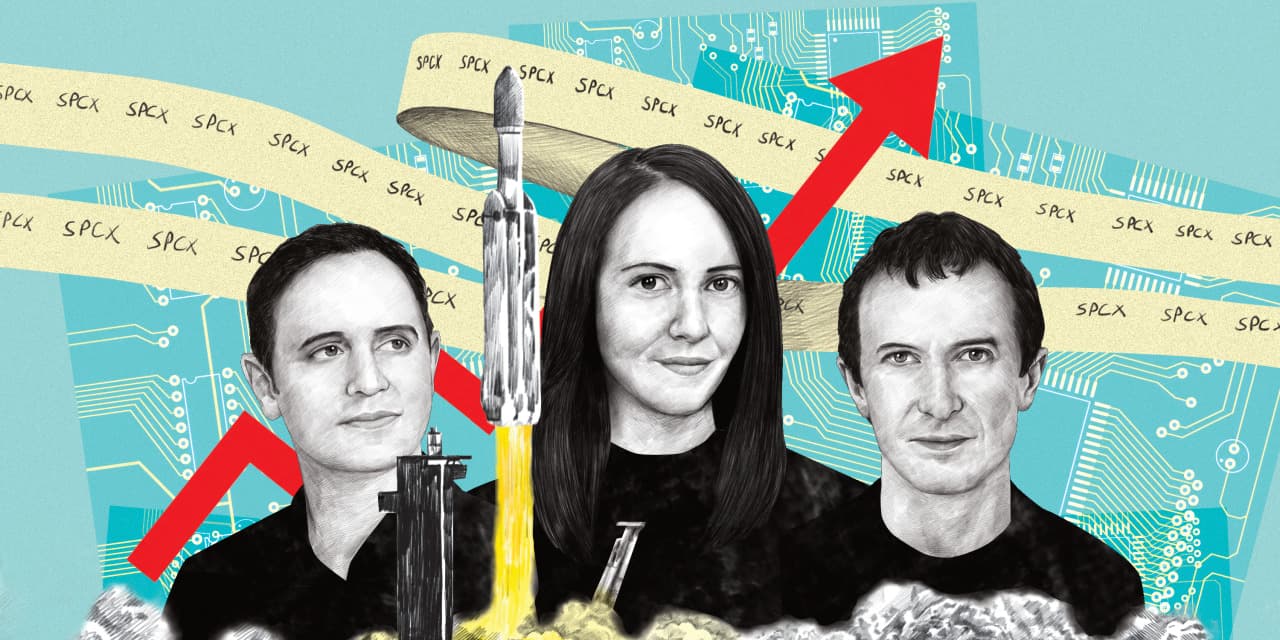
The venture capital playbook for artificial intelligence is being rewritten, with significant implications for healthcare. Yasmin Razavi, a General Partner at Spark Capital, has secured the sole outside investor seat on Anthropic's board of directors—a strategic position that offers unprecedented influence over one of the most important players in clinical AI development.
Anthropic, which competes directly with OpenAI in developing large language models, has raised billions in funding from tech giants including a $4 billion commitment from Amazon and substantial investment from Google. Yet Razavi's board seat—secured through a later-stage investment than typical VC timing—grants Spark Capital outsized influence and information access that capital alone cannot buy.
A New Power Dynamic in Health AI Governance
The significance of this board representation extends beyond typical investor returns. For healthcare organizations evaluating AI partnerships, board composition directly influences critical decisions around AI safety protocols, clinical feature prioritization, and enterprise integration strategies. Anthropic has built its reputation on constitutional AI principles and safety-first development—commitments that board-level governance helps enforce and evolve.
Razavi's position means Spark Capital can shape conversations around healthcare-specific product development, data privacy frameworks, and regulatory compliance approaches. As Anthropic's Claude AI models expand into clinical applications, this governance influence becomes increasingly relevant for health systems making long-term vendor decisions.
The board seat provides insight into product roadmaps, safety incident responses, and strategic partnership priorities that competing AI vendors may lack in transparent governance structures. This concentrated influence creates clearer accountability lines than diffuse cap tables with multiple competing investor voices.
Implications for Healthcare Providers
The capital-intensive nature of foundation model development—requiring billions rather than millions in funding—has created a new investment landscape where strategic positioning matters as much as early entry. For healthcare leaders, understanding who holds influence at AI companies like Anthropic helps predict which clinical use cases will receive development priority and how safety concerns will be addressed.
Health systems currently deploying or evaluating large language models should consider governance structures as part of their vendor assessment criteria. Board composition signals long-term strategic direction, commitment to clinical safety features, and likelihood of sustained healthcare focus amid competing commercial pressures.
This investment approach reflects a maturation of the AI industry, where later-stage strategic positioning can yield greater influence than early-stage capital deployment. For healthcare AI specifically, this governance model may accelerate clinical integration efforts while maintaining safety-first principles that growth-focused investors might otherwise deprioritize.
As foundation models become infrastructure for healthcare delivery, the governance structures guiding their development deserve scrutiny alongside technical capabilities and compliance certifications. Spark Capital's unique board position at Anthropic demonstrates that in the AI era, strategic influence increasingly determines which clinical applications get built, how safety trade-offs are resolved, and whose priorities shape the technology transforming patient care.
Source: Wall Street Journal (Kate Clark, Gregory Zuckerman)
Reporting & accountability
How we maintain accuracy
Health AI Central separates reported facts, analysis, and public-source data. Readers can review our standards, request a correction, or consult the relevant research methodology before relying on a claim.