

FDA's Medical Device Division Races to Rebuild After Losing Nearly a Quarter of Its Workforce
The agency's device center has already exceeded 2026 hiring targets following dramatic staff losses that hit AI and digital health reviewers especially hard.
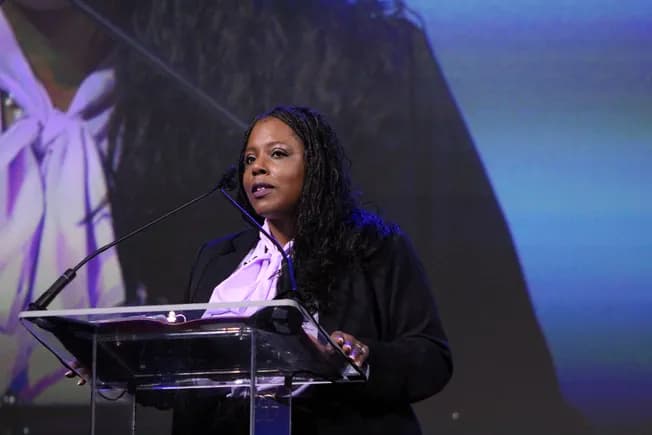
The FDA's Center for Devices and Radiological Health is mounting an aggressive recruitment campaign after losing 22% of its staff over the past year, with some divisions experiencing attrition rates as high as 30%. The exodus, which followed Trump administration budget cuts, has particularly depleted the ranks of clinical reviewers and specialists overseeing artificial intelligence and digital health technologies—areas experiencing explosive growth in medical innovation.
Rebuilding Regulatory Capacity
CDRH Director Dr. Michelle Tarver announced at AdvaMed's The MedTech Conference in Boston that the center has already brought on more than 65 new staff members, surpassing its fiscal year 2026 target of 63 positions funded under the Medical Device User Fee Amendments (MDUFA). The hiring push comes as CDRH works to restore its capacity to oversee more than 250,000 medical devices currently on the market.
The staffing crisis stems from early 2025 when the Department of Health and Human Services announced plans to cut approximately 3,500 FDA positions—roughly 20% of the agency's total workforce. The impact on CDRH proved particularly severe, with clinical reviewer positions losing up to 30% of staff and significant departures among specialists focused on emerging technologies like artificial intelligence and digital health platforms.
Critical Gaps in AI and Digital Health Oversight
The loss of AI and digital health specialists comes at a pivotal moment for medical technology regulation. These reviewers evaluate an expanding pipeline of AI-enabled diagnostic tools, machine learning algorithms for medical imaging, and software-based therapeutic devices that represent the cutting edge of healthcare innovation.
The FDA authorized agency-wide hiring of 2,200 people in summer 2025, providing CDRH with the authority to accelerate its recruitment efforts. The center's success in exceeding its initial hiring targets suggests the rebuilding process is gaining momentum, though the timeline for fully restoring regulatory review capacity remains uncertain.
Implications for Medical Device Innovation
The staffing disruptions create potential bottlenecks for medical device manufacturers seeking regulatory clearance, particularly companies developing AI-powered technologies. Healthcare providers awaiting access to new clinical decision support systems, advanced imaging analysis tools, and remote patient monitoring platforms may face extended timelines as CDRH rebuilds its review capacity.
However, the center's rapid progress in meeting and exceeding hiring goals signals FDA leadership's commitment to maintaining robust oversight of the medical device sector. As CDRH continues its recruitment campaign, the agency faces the dual challenge of quickly onboarding new staff while ensuring reviewers possess the specialized expertise needed to evaluate increasingly complex technologies.
Sources
Reporting & accountability
How we maintain accuracy
Health AI Central separates reported facts, analysis, and public-source data. Readers can review our standards, request a correction, or consult the relevant research methodology before relying on a claim.