

Chinese AI Startup Closes Gap with U.S. Leaders as Healthcare Sector Watches Closely
Moonshot AI's new Kimi model signals intensifying global competition that could reshape clinical AI infrastructure and force American health tech vendors to accelerate innovation.
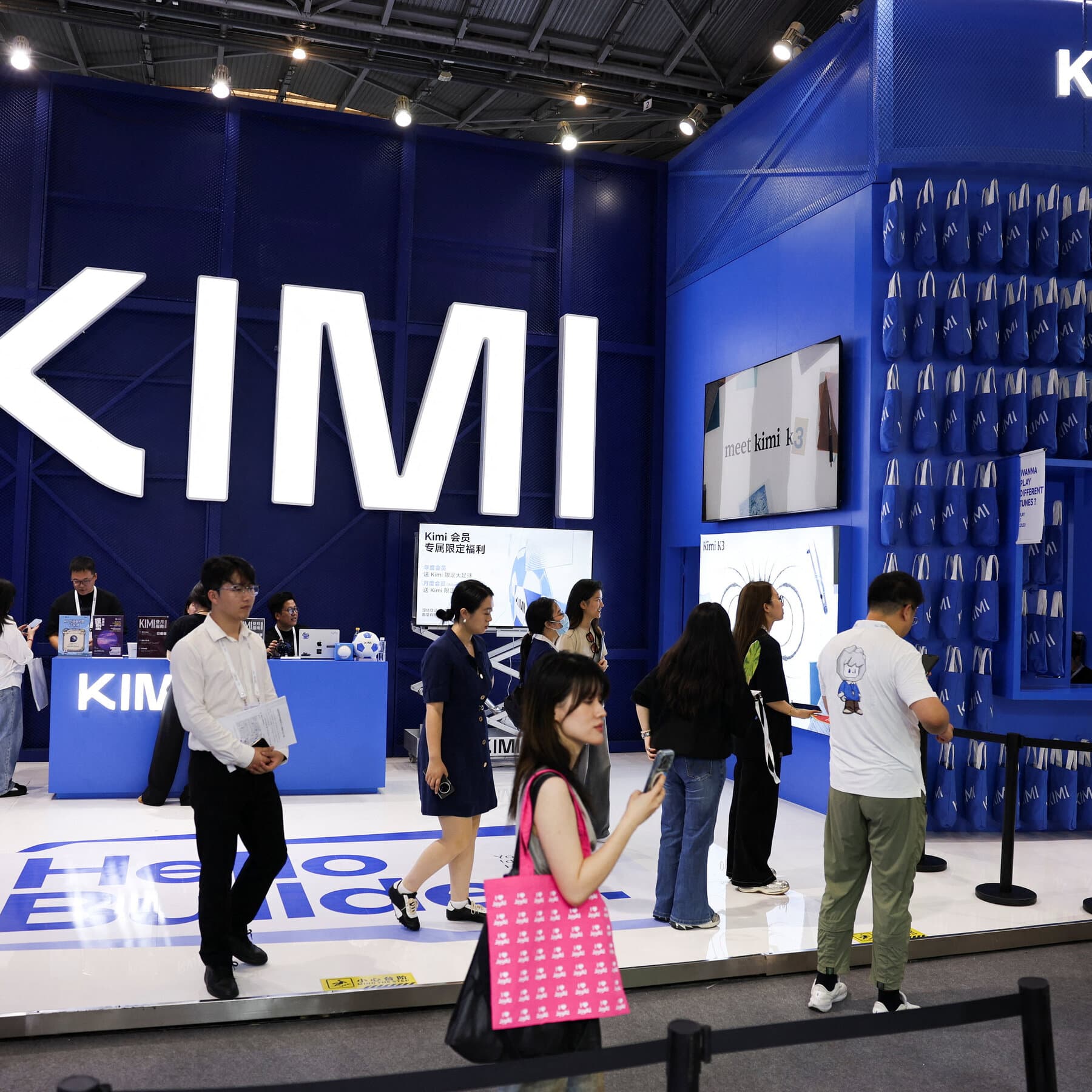
Chinese AI startup Moonshot AI released its Kimi model on Friday, marking a significant development in the global artificial intelligence race with potential implications for healthcare technology. The launch represents a narrowing performance gap between Chinese and American AI systems, potentially diversifying infrastructure options for healthcare organizations while raising questions about data governance and regulatory compliance.
The timing comes as U.S. healthcare systems increasingly rely on AI for clinical documentation, diagnostic support, and administrative workflows. A more competitive international AI landscape could pressure American vendors to accelerate innovation and adjust pricing models, though adoption of Chinese-developed models in U.S. healthcare settings will likely face substantial regulatory scrutiny.
Implications for Healthcare AI Infrastructure
The emergence of competitive alternatives to U.S.-based AI models could alter the healthcare technology procurement landscape. Healthcare organizations have historically depended on a limited set of American AI providers for mission-critical applications ranging from radiology interpretation to clinical note generation. If Kimi demonstrates comparable performance with different pricing structures or novel capabilities, health systems may gain negotiating leverage with existing vendors.
However, the practical adoption pathway remains complex. Any AI system handling protected health information must comply with HIPAA regulations, and systems supporting clinical decision-making may require FDA clearance depending on their intended use. International models face additional scrutiny around data residency requirements, with many healthcare organizations maintaining strict policies against transmitting patient data to servers outside U.S. jurisdiction.
Competitive Pressure and Innovation Acceleration
The narrowing performance gap between Chinese and American AI models could accelerate innovation cycles across the healthcare AI sector. U.S.-based health tech companies may need to differentiate through specialized medical training data, tighter electronic health record integrations, or superior regulatory compliance frameworks rather than relying solely on foundational model performance.
For healthcare AI developers building applications atop large language models, the potential availability of competitive international infrastructure creates both opportunities and complications. Alternative model providers could offer cost advantages or unique capabilities for specific medical use cases, but integration decisions must account for long-term vendor stability, regulatory positioning, and institutional risk tolerance around geopolitical considerations.
Regulatory and Security Considerations
U.S. healthcare organizations evaluating international AI models face a complex regulatory landscape. Beyond HIPAA compliance, institutions must consider federal guidance on technology supply chains, particularly for organizations serving government health programs or conducting federally funded research. The Department of Health and Human Services and FDA will likely develop clearer frameworks for assessing international AI systems as these technologies become more prevalent in clinical settings.
Data security teams at health systems will need to conduct thorough assessments of where model inference occurs, how training data is sourced and protected, and whether acceptable data governance guarantees can be established. These considerations may limit near-term adoption of international models for patient-facing applications while potentially allowing use in research or administrative contexts with appropriate safeguards.
The release of Kimi underscores that AI development has become a global competition with implications extending into clinical environments where these systems will ultimately be deployed. Healthcare organizations should monitor this evolving landscape as it will shape their infrastructure options and vendor relationships for years to come.
Sources
Reporting & accountability
How we maintain accuracy
Health AI Central separates reported facts, analysis, and public-source data. Readers can review our standards, request a correction, or consult the relevant research methodology before relying on a claim.